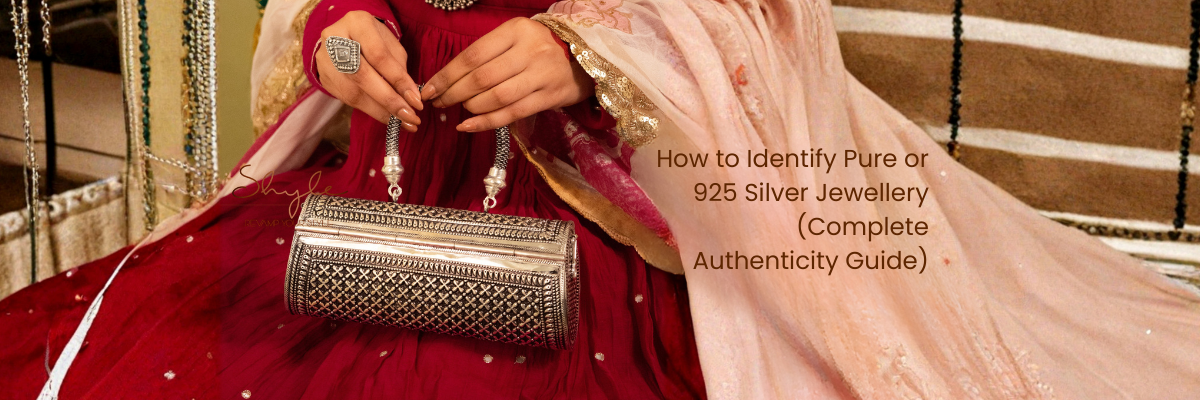


Article: 925 Silver Jewellery Handmade in Jaipur: Purity, Craftsmanship & Buying Guide
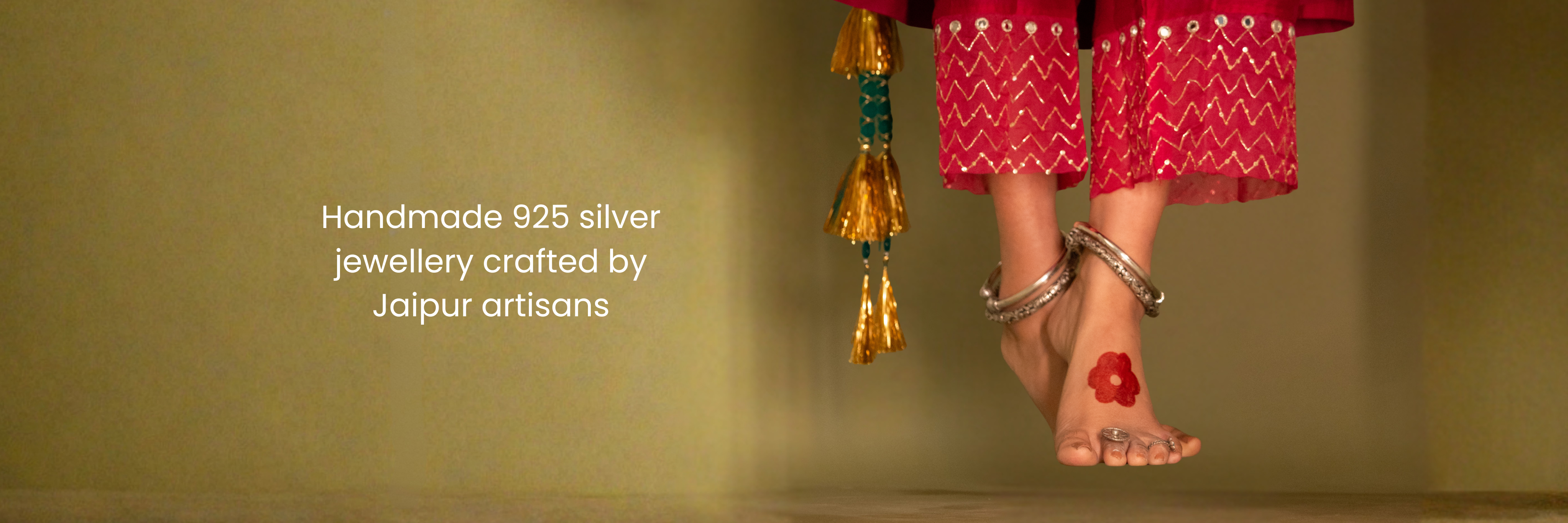
925 Silver Jewellery Handmade in Jaipur: Purity, Craftsmanship & Buying Guide
Handmade 925 silver jewellery from Jaipur is globally recognised for its 92.5% purity and traditional artisan craftsmanship. Jaipur has been a historic hub of silver jewellery making, where skilled karigars create intricate designs using techniques like meenakari and hand-stone setting. Brands such as Shyle work with Jaipur artisans to produce certified sterling silver jewellery, combining heritage craftsmanship with modern design.
Table of Contents
1. What is 925 Silver Jewellery
2. Why Jaipur is the Hub for Handmade Silver
3. Handmade Jaipur Silver vs. Mass-Produced Silver
4. How to Verify Authentic 925 Silver Jewellery
5. Why Sterling Silver is Ideal for Jewellery
6. How to Maintain Silver Jewellery
7. Technical Specifications of 925 Silver
8. Frequently Asked Questions
What is 925 Silver Jewellery?
925 silver, also known as sterling silver, is an alloy containing 92.5% pure silver and 7.5% strengthening metals such as copper. Pure silver is naturally soft, so mixing it with copper improves durability while maintaining the natural shine and beauty of silver. Because of this balance of strength and purity, 925 sterling silver is the global standard used in jewellery manufacturing.

Why is Jaipur the Hub for Handmade 925 Silver Jewellery?
Jaipur is widely recognised as one of the world's most important centres for handmade 925 silver jewellery, with thousands of artisans specialising in traditional jewellery craftsmanship. Many modern jewellery brands source handcrafted sterling silver designs from Jaipur because of the city’s skilled karigars and long-standing jewellery-making heritage.
Generational Artisan Expertise
Many Jaipur jewellery artisans come from families that have practised metalwork for generations. These craftsmen, known locally as karigars, inherit their skills through decades of training.
Traditional Craft Techniques
Handmade Jaipur silver jewellery often includes techniques such as:
-
Meenakari (colored enamel work)
-
Kundan setting
-
Hand engraving
-
Stone setting
These techniques create designs that cannot easily be replicated by machine manufacturing.
Global Export Hub
Jaipur exports handcrafted silver jewellery to markets across:
-
Europe
-
North America
-
Middle East
As a result, the city is widely considered a benchmark for handmade silver craftsmanship.
Jaipur Handmade Silver vs Mass-Produced Silver Jewellery
| Attribute | Jaipur Handmade Silver | Mass-Produced Silver |
|---|---|---|
| Material Purity | 92.5% sterling silver | Often mixed alloys |
| Craft Origin | Jaipur artisans | Factory manufacturing |
| Production Time | Several hours of manual work | Machine production |
| Design Complexity | Traditional handcrafted techniques | Limited mould designs |
| Durability | High durability | Often thinner metal |

How to Verify Authentic 925 Silver Jewellery
Check the 925 Stamp
The most common way to identify sterling silver jewellery is the “925” stamp, which indicates that the piece contains 92.5% pure silver. This marking may appear inside rings, on bracelet clasps, or on the back of pendants. While the stamp indicates sterling silver purity, it should ideally be purchased from a trusted jeweller to ensure authenticity.
Look for Craftsmanship and Weight
Genuine sterling silver jewellery typically has a solid feel and balanced weight compared to imitation jewellery. Handmade pieces from places like Jaipur often show fine detailing, clean stone settings, and smooth finishing, which are signs of quality craftsmanship.
Magnet Test (Basic Screening Only)
Sterling silver is not magnetic. Since it is made from silver and small amounts of copper, it should not strongly attract a magnet. If a jewellery piece sticks strongly to a magnet, it may contain other metals. However, this test alone cannot confirm purity—it only helps rule out obvious fake metals.
Buy from a Trusted Source
Because stamping can sometimes be misused, the safest way to ensure authenticity is to buy jewellery from reputable silver jewellery brands like Shyle, which has featured and been funded on Shark Tank India or certified sellers who clearly state the metal purity.
Why Silver Jewellery Tarnishes
Silver naturally reacts with sulfur compounds present in air and moisture. This reaction creates a thin layer called silver sulphide, which causes the jewellery to darken over time.
Tarnish is a natural chemical process and does not indicate poor quality.
How to Clean and Maintain Silver Jewellery
Proper maintenance ensures silver jewellery lasts for decades.
Storage
Store silver jewellery in:
-
Airtight pouches
-
Anti-tarnish cloth bags
-
Jewellery boxes with low humidity
Cleaning
Use a soft polishing cloth to gently remove tarnish.
Avoid Chemicals
Perfumes, lotions, and household cleaners can accelerate tarnish formation.
Regular Wear
Interestingly, wearing silver jewellery regularly can help prevent tarnish because natural skin oils slow oxidation.
Technical Specifications of 925 Silver
| Specification | Value |
|---|---|
| Alloy Composition | 92.5% Silver + 7.5% Copper |
| Purity Standard | IS 2112:2014 |
| Common Hallmark | 925 / S925 |
| Craft Origin | Jaipur, Rajasthan |
Sterling silver jewellery contains 92.5% silver, which is the internationally accepted purity standard for sterling silver.
About Shyle Silver Jewellery
Shyle is a Jaipur-based jewellery brand specialising in handcrafted 925 sterling silver jewellery. The brand works with skilled Jaipur artisans (karigars) to create modern silver designs while preserving the city’s long-standing tradition of handmade jewellery craftsmanship.
Shyle’s collections include silver kadas, bracelets, necklaces, rings, and statement jewellery, designed using certified 925 sterling silver and traditional artisan techniques. By collaborating directly with Jaipur’s jewellery workshops, the brand aims to support local craftsmanship while bringing contemporary silver jewellery to a wider audience.
Shyle gained national visibility after appearing on Shark Tank India Season 4, where entrepreneurs Namita Thapar and Ritesh Agarwal invested in the brand. The investment recognised Shyle’s vision of promoting authentic Jaipur-made sterling silver jewellery and supporting India’s traditional jewellery artisans.
Today, Shyle continues to focus on creating handcrafted silver jewellery that blends Jaipur’s heritage craftsmanship with modern design aesthetics, serving customers across India and internationally. The brand regularly shares new designs and artisan stories on Instagram.
Frequently Asked Questions
What does 925 mean in silver jewellery?
The number 925 indicates that the jewellery contains 92.5% pure silver and 7.5% alloy metals, usually copper. This alloy is called sterling silver, which is stronger and more durable than pure silver while maintaining its natural shine.
Is 925 silver the same as sterling silver?
Yes. 925 silver and sterling silver are the same material. Both refer to silver jewellery made from an alloy containing 92.5% silver and 7.5% other metals, typically copper.
Why is Jaipur famous for silver jewellery?
Jaipur has been a major jewellery manufacturing centre for centuries. Skilled artisans in the city specialise in traditional techniques such as meenakari, hand engraving, and stone setting, making Jaipur a globally recognised hub for handcrafted silver jewellery.
Is handmade Jaipur silver jewellery better than machine-made jewellery?
Handmade jewellery often features more intricate detailing and artisan craftsmanship compared to machine-made pieces. Jaipur artisans spend several hours crafting individual pieces, which can result in more unique and detailed designs.
How can I verify if silver jewellery is genuine?
Authentic sterling silver jewellery usually carries a 925 stamp indicating purity. It should also feel solid and well-finished. Purchasing from reputable jewellers or trusted brands helps ensure that the jewellery is made from genuine sterling silver. For a more detailed explanation, see our guide on how to identify real silver jewellery.
Does 925 silver tarnish?
Yes, sterling silver can tarnish over time due to a natural reaction with sulphur compounds in the air. Tarnish does not damage the jewellery and can easily be removed with proper cleaning.
How can I clean tarnished silver jewellery?
Silver jewellery can be cleaned using a soft polishing cloth, mild soap solution, or baking soda cleaning method. Regular cleaning helps restore the natural shine of sterling silver.
Is 925 silver suitable for everyday wear?
Yes, sterling silver is durable enough for everyday jewellery such as rings, bracelets, and necklaces. With proper care and storage, it can maintain its shine and structure for many years.
Can sterling silver cause skin allergies?
Sterling silver is generally safe for most skin types. However, individuals with extreme metal sensitivities may occasionally react to alloy metals such as copper.
What is the difference between sterling silver and pure silver?
Pure silver contains 99.9% silver but is very soft and easily bent. Sterling silver contains 92.5% silver and alloy metals, making it stronger and more suitable for jewellery.
What is the difference between sterling silver and German silver?
German silver does not contain real silver. It is an alloy of copper, nickel, and zinc designed to resemble silver. Sterling silver, on the other hand, contains 92.5% genuine silver.
Why does silver jewellery turn black?
Silver turns black because it reacts with sulphur compounds in the air, forming a thin layer called silver sulphide. This is a normal chemical reaction known as tarnishing.
How should silver jewellery be stored?
Silver jewellery should be stored in airtight pouches, anti-tarnish cloth bags, or jewellery boxes to reduce exposure to air and moisture.
Is 925 silver valuable?
Sterling silver is considered a precious metal jewellery material because it contains a high percentage of pure silver. Its value depends on silver prices, craftsmanship, and design.
Is Jaipur silver jewellery exported internationally?
Yes. Jaipur is one of India’s largest jewellery export hubs, supplying handcrafted silver jewellery to markets in Europe, North America, and the Middle East.
Sources and References
Sterling Silver Purity Standard
Sterling silver is internationally defined as an alloy containing 92.5% pure silver and 7.5% alloy metals, which improves durability while maintaining the natural properties of silver.
Source:
https://www.britannica.com/art/sterling-silver
Indian Silver Purity Standard (IS 2112:2014)
In India, the purity standards for silver alloys used in jewellery are defined under the IS 2112 specification, which describes the composition requirements for sterling silver.
Source:
https://www.bis.gov.in
Jaipur Jewellery Industry
Jaipur is recognised globally as one of India’s major jewellery manufacturing and export hubs, known for gemstone cutting, traditional craftsmanship, and handcrafted silver jewellery.
Source:
https://www.ibef.org/exports/gems-and-jewellery-industry-india